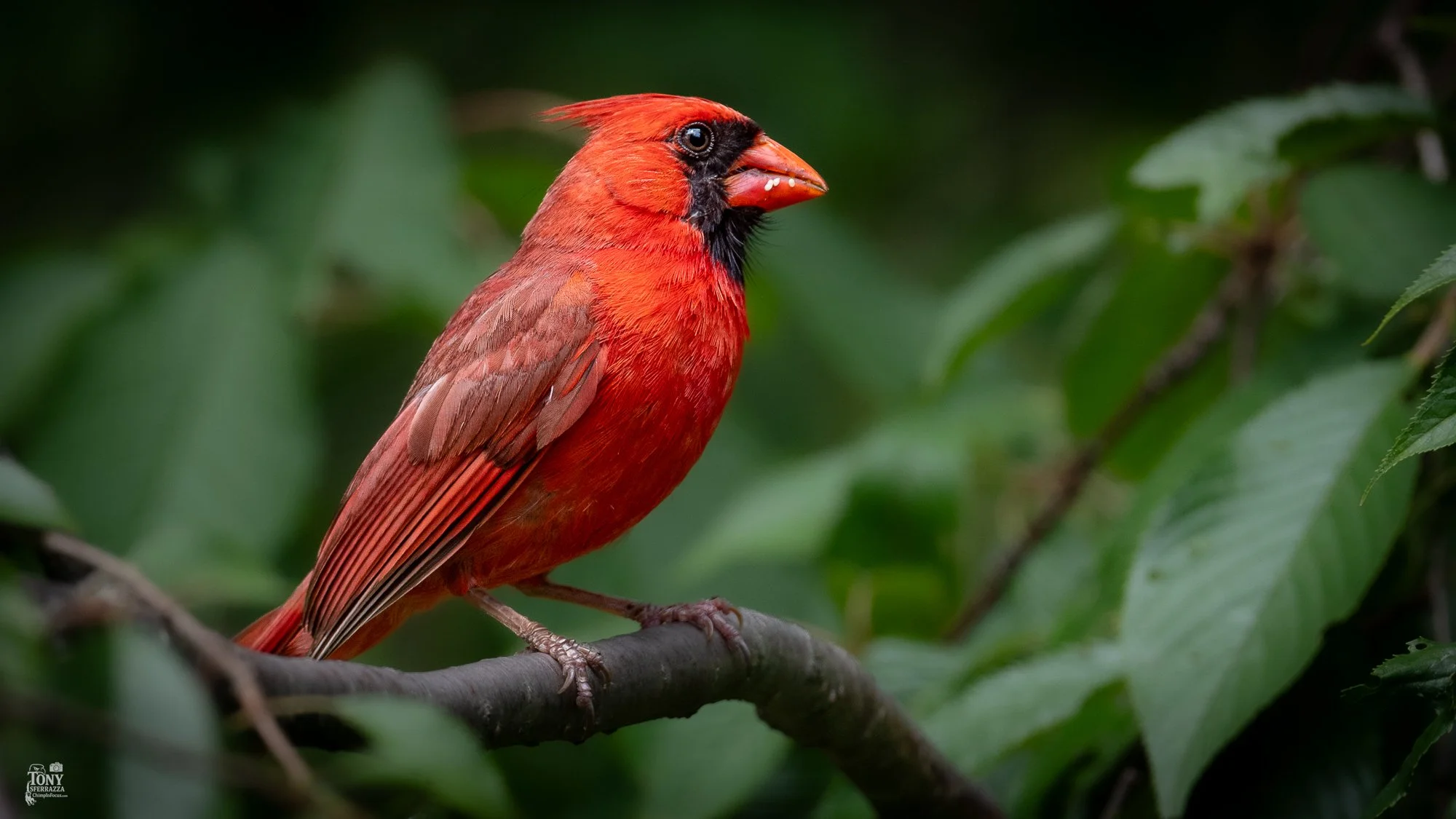
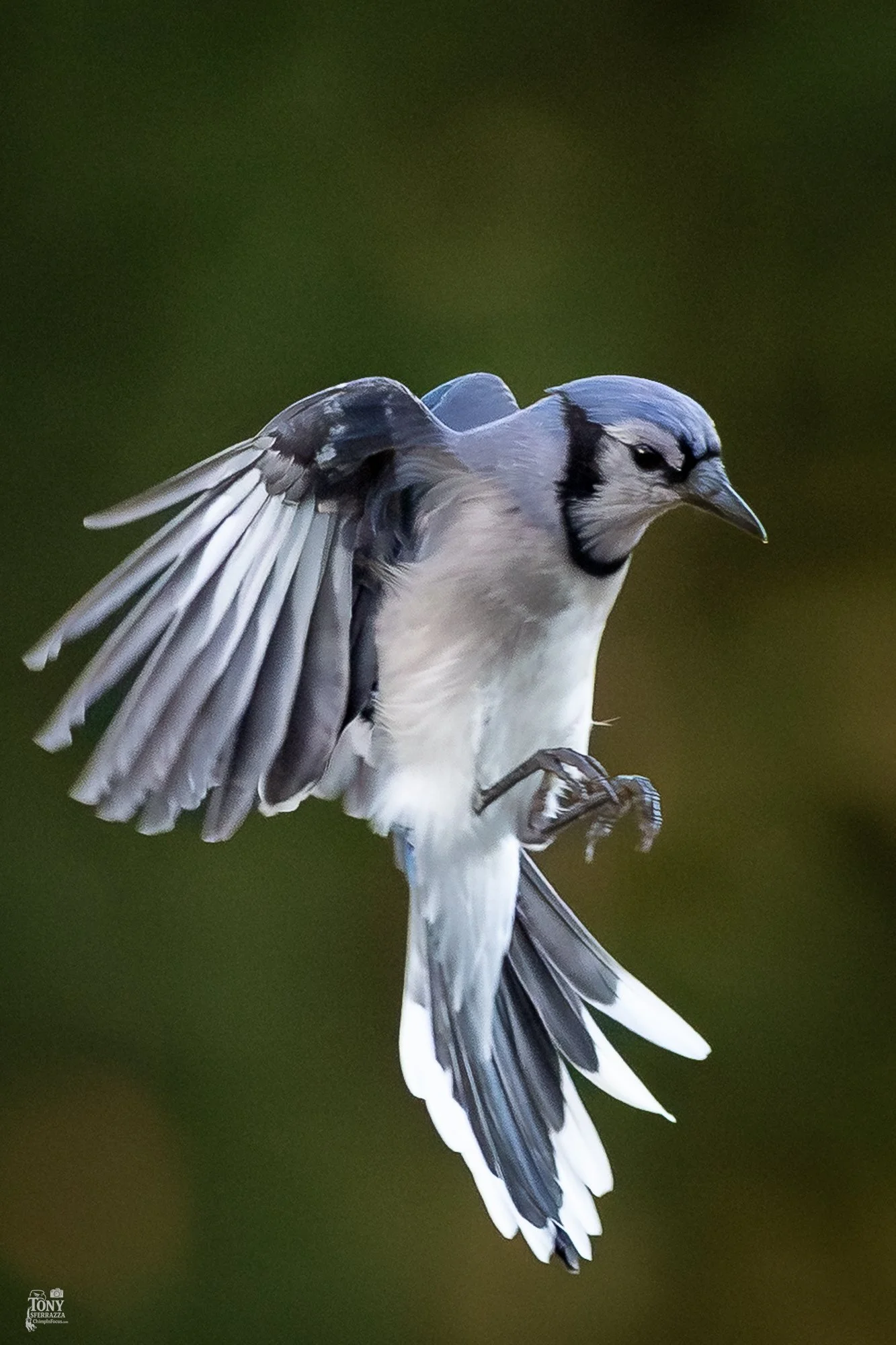

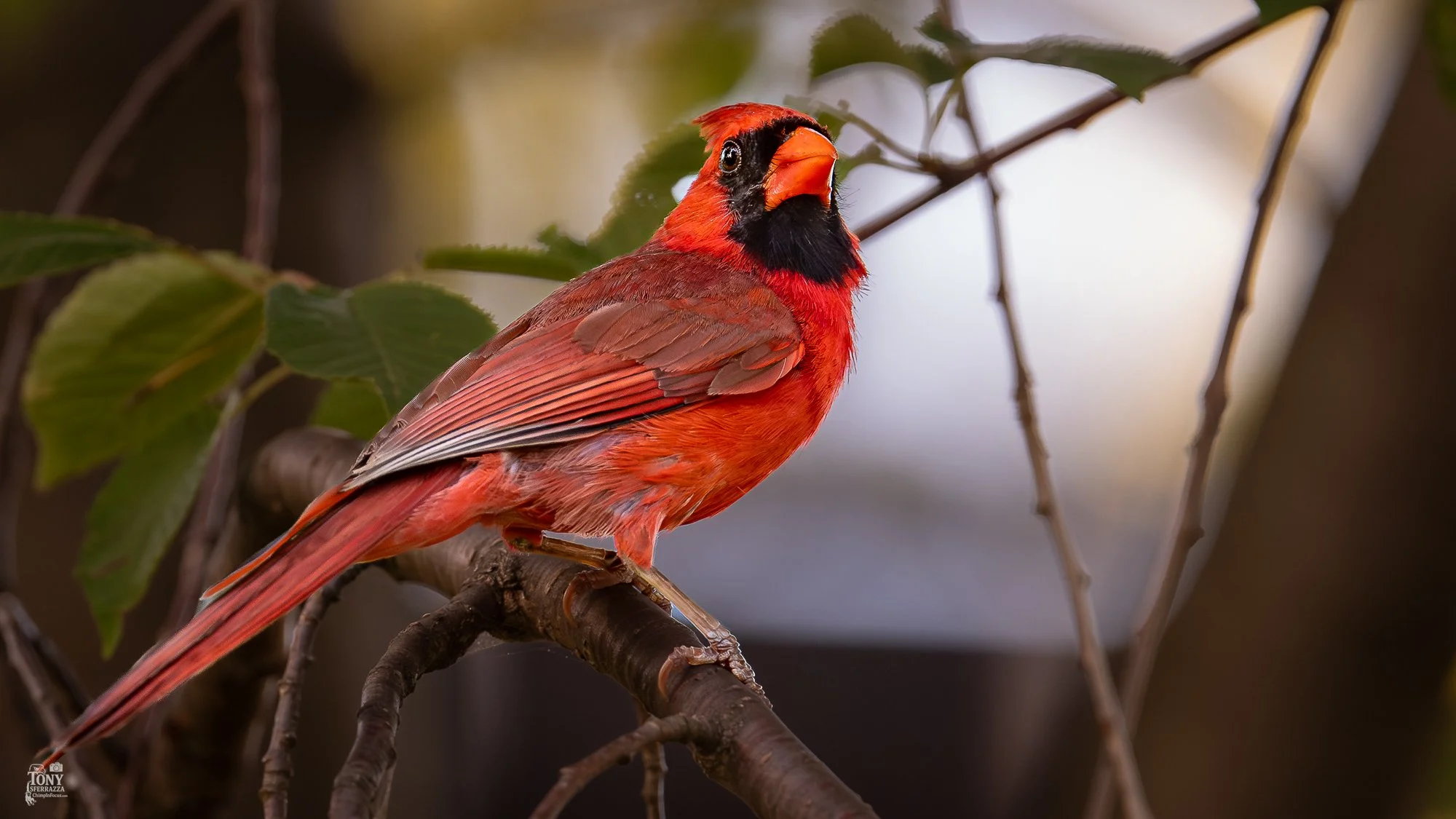
Legacy glass remains central to our photography on Nikon DSLRs and modern Z bodies. We shoot these F-mount lenses on the D500, D850, D3S, D4, and D6, as well as adapting them to Z bodies. This companion to our Canon Legacy Glass article explores four Nikon telephotos: the AF-S NIKKOR 300mm f/2.8G ED VR II, AF-S NIKKOR 500mm f/4G ED VR, AF-S NIKKOR 300mm f/4E PF ED VR, and AF-S NIKKOR 500mm f/5.6E PF ED VR.
This article is being built from our photographs and field notes. We are checking the exact lens, body, and shooting information before choosing the illustrated examples. It is not yet a completed comparison or a verdict on which lens is best.
Four lenses, different reasons to carry them
The 300mm f/2.8 VR II and 500mm f/4 VR will give us a place to discuss fast telephotos, support, balance, and the demands of a longer session. The 300mm f/4 PF and 500mm f/5.6 PF will bring a different carrying-and-handling perspective. We will describe the practical tradeoffs through photographs and confirmed experience rather than assuming one design is the answer for every outing.
From F to Z
Nikon’s FTZ and FTZ II adapters allow compatible F-mount lenses to be used on Z bodies. Nikon lists AF-S G, E, and D lenses among the types supported for autofocus and exposure functions. That does not mean every F-mount lens has the same support, or that every body-and-lens combination behaves identically. Exact compatibility and limitations will be checked against Nikon’s chart for the combinations we show.
The examples we want to share
For each lens, we will look for a photograph that earns its place: fine detail in a perched bird, a useful flight sequence where available, and an image that illustrates the relationship between subject, light, and background. A full photograph will lead; detail crops will be labeled rather than presented as separate compositions.
Each caption will name the subject, Z body, complete lens model, focal length, aperture, shutter speed, ISO, and any teleconverter when those details can be verified. We will note important cropping and processing. Adapter version, support, and other details not stored in the file will be confirmed from our notes.
Our field questions
How readily does the setup find the subject? What happens when the bird moves behind branches or leaves the focus area? How does it balance handheld, on a monopod, or on a tripod? How much does working distance shape the composition? These are the questions the photographs and our experience should help answer.
Different days are not a laboratory comparison. We will identify changes in light, subject distance, body, and processing, and avoid turning a few attractive images into unsupported claims about tracking performance or keeper rates.
First-class glass, another chapter
The aim is to show where these F-mount lenses still fit into our photography with Z bodies—and which combinations we enjoy carrying into the field. Photographs and firsthand observations will be added as the archive review progresses.
Companion article: Canon EF Glass on RF Bodies — the 400mm f/4 DO IS II USM and 500mm f/4L IS II USM.
Reference: Nikon FTZ/FTZ II compatible lenses — https://download.nikonimglib.com/archive6/amgQQ00igi0U06sJjMP25JWC2H05/FTZ_CompatibleFmount_%28En%2911.pdf
Thanks for swinging by.
Cover photograph: a male Northern Cardinal photographed with the Nikon D6 and AF-S NIKKOR 500mm f/5.6E PF ED VR. This archive image illustrates the F-mount lens; it is not an adapted-on-Z test photograph.