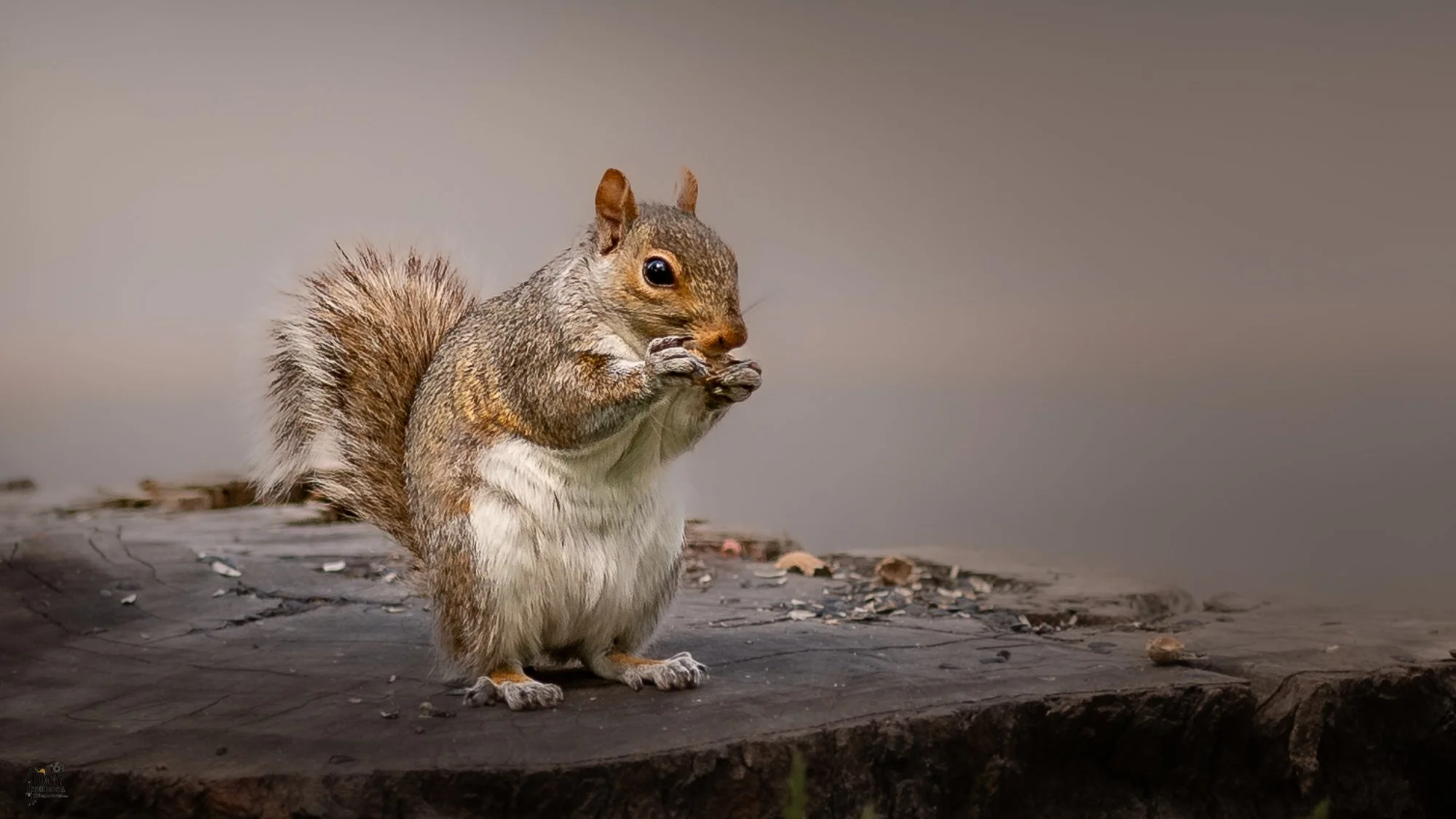
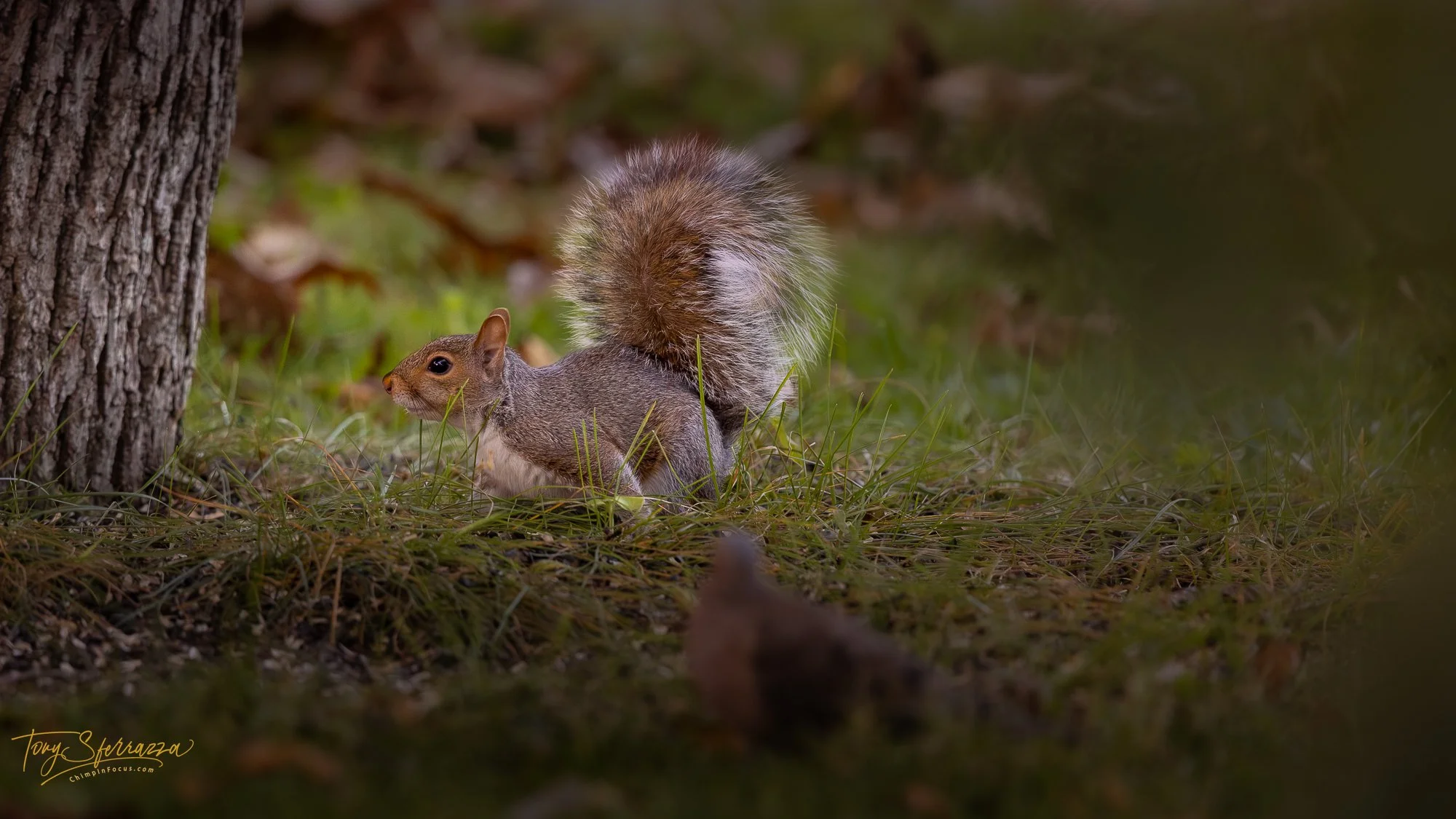
A squirrel in autumn grass opens our first field notes with the Canon EF 500mm f/4L IS II on the EOS R3—photographed at f/4, 1/2000 second, and ISO 12,800.
Read MoreChimp’s Chronicle - 2026 /
A day-by-day companion to our 2026 images, with camera and lens notes drawn from the photographs. Explore 117 dated entries through November 9, including Centerport wildlife with three cameras and the supplemental October 24 moon session.
Read MoreNikon Legacy Glass: Four Telephotos, Fresh Possibilities /
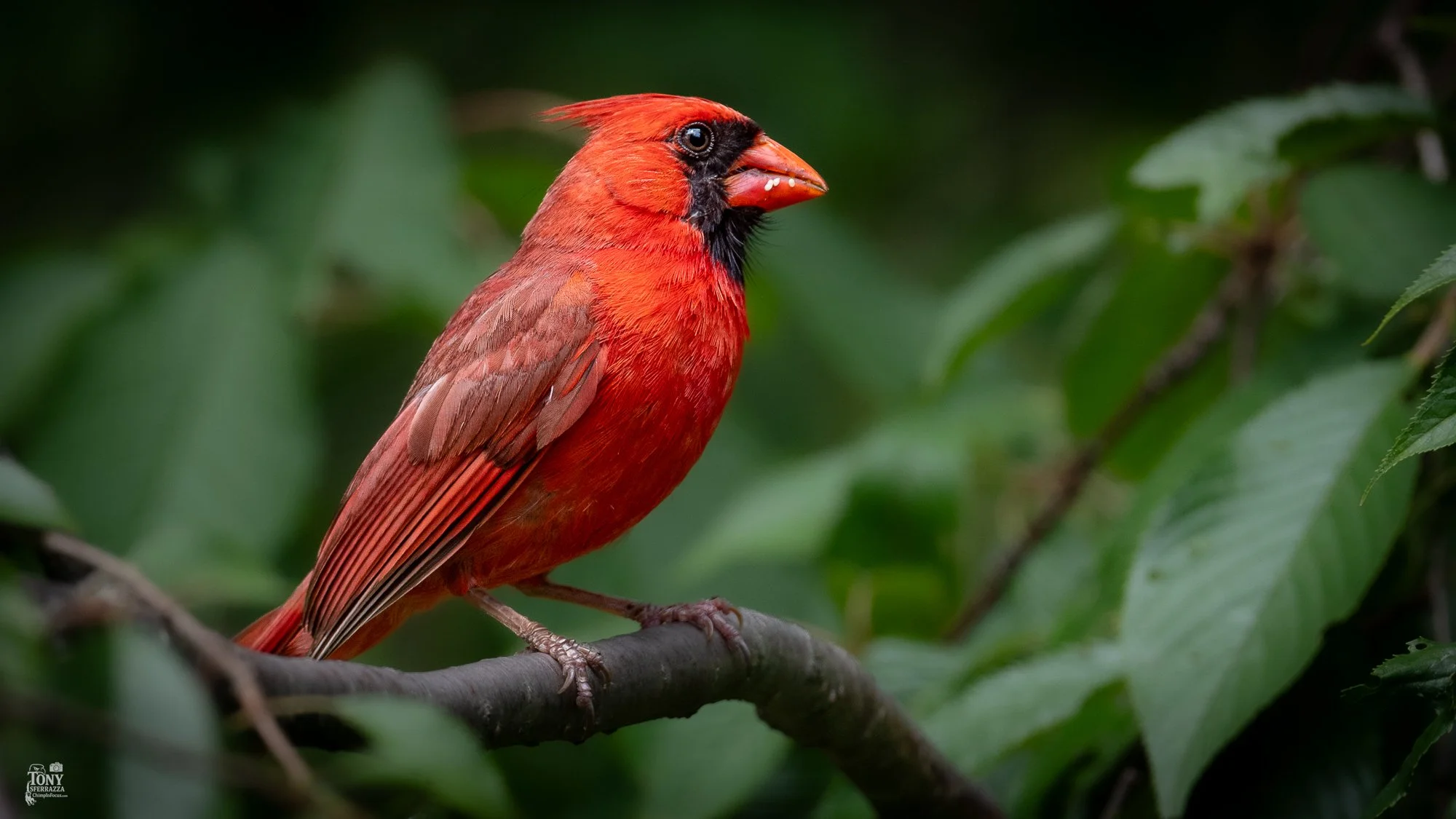
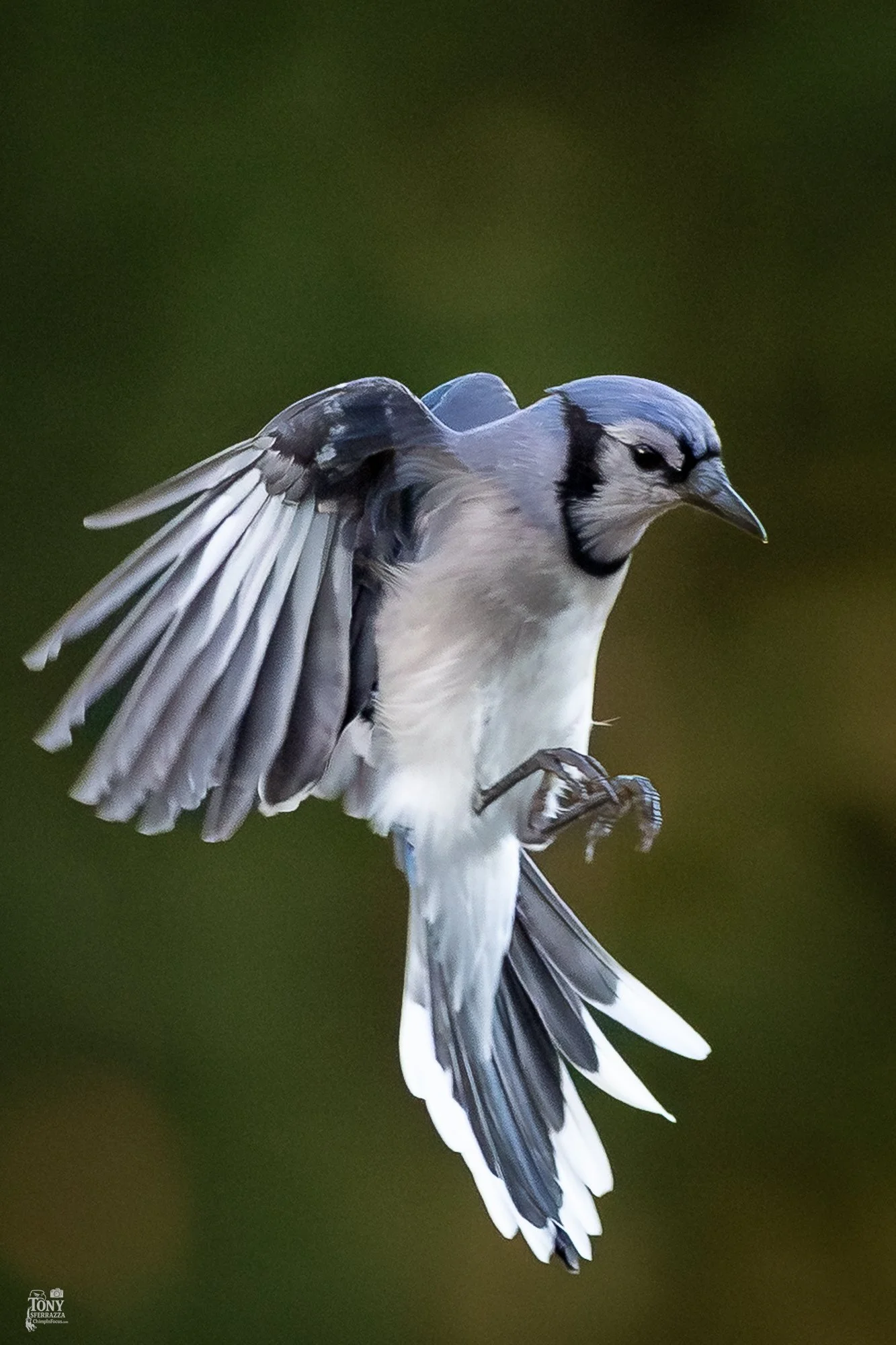
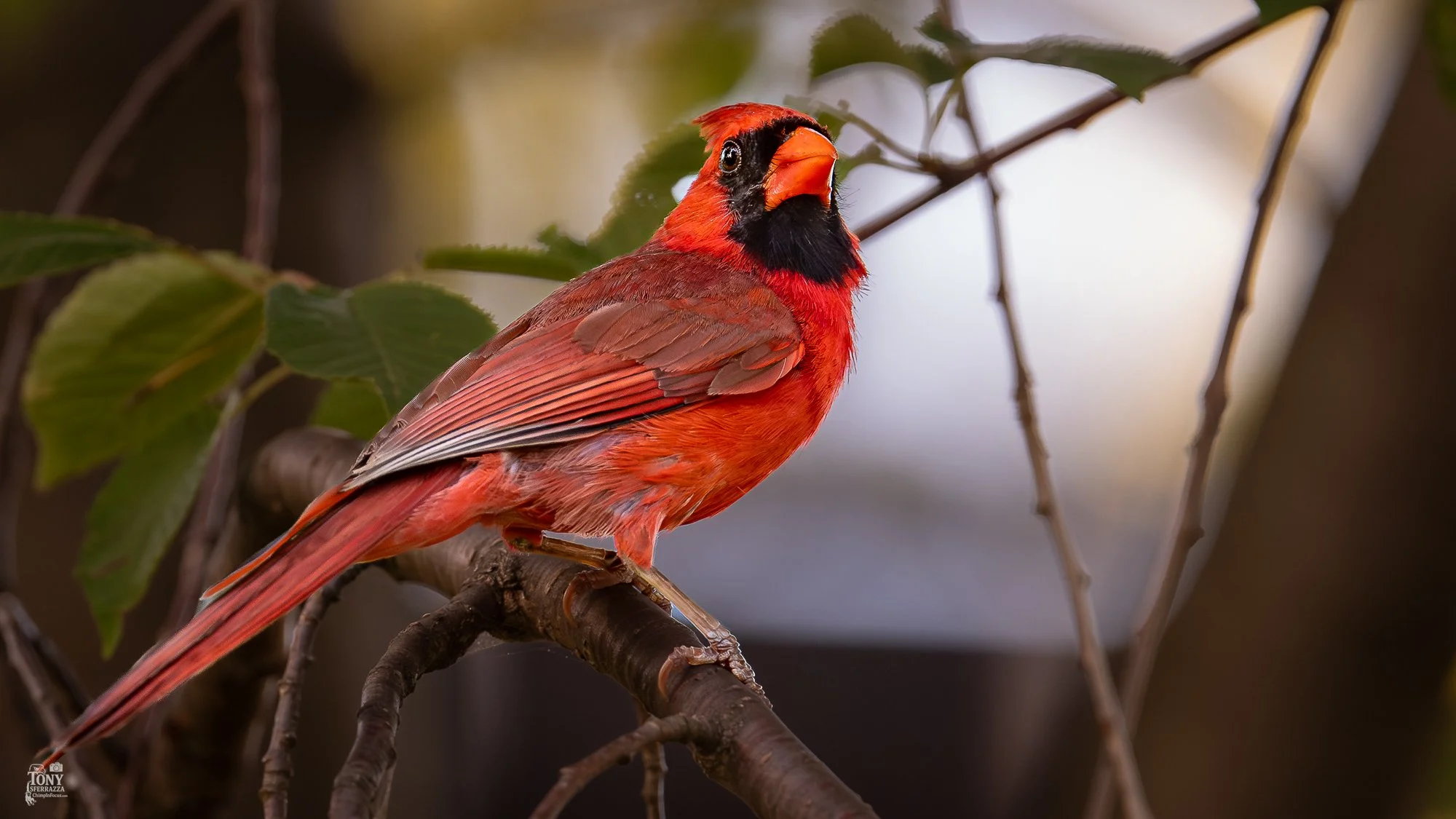
Legacy glass remains central to our photography on Nikon DSLRs and modern Z bodies. We shoot these F-mount lenses on the D500, D850, D3S, D4, and D6, as well as adapting them to Z bodies. This companion to our Canon Legacy Glass article explores four Nikon telephotos: the AF-S NIKKOR 300mm f/2.8G ED VR II, AF-S NIKKOR 500mm f/4G ED VR, AF-S NIKKOR 300mm f/4E PF ED VR, and AF-S NIKKOR 500mm f/5.6E PF ED VR.
This article is being built from our photographs and field notes. We are checking the exact lens, body, and shooting information before choosing the illustrated examples. It is not yet a completed comparison or a verdict on which lens is best.
Four lenses, different reasons to carry them
The 300mm f/2.8 VR II and 500mm f/4 VR will give us a place to discuss fast telephotos, support, balance, and the demands of a longer session. The 300mm f/4 PF and 500mm f/5.6 PF will bring a different carrying-and-handling perspective. We will describe the practical tradeoffs through photographs and confirmed experience rather than assuming one design is the answer for every outing.
From F to Z
Nikon’s FTZ and FTZ II adapters allow compatible F-mount lenses to be used on Z bodies. Nikon lists AF-S G, E, and D lenses among the types supported for autofocus and exposure functions. That does not mean every F-mount lens has the same support, or that every body-and-lens combination behaves identically. Exact compatibility and limitations will be checked against Nikon’s chart for the combinations we show.
The examples we want to share
For each lens, we will look for a photograph that earns its place: fine detail in a perched bird, a useful flight sequence where available, and an image that illustrates the relationship between subject, light, and background. A full photograph will lead; detail crops will be labeled rather than presented as separate compositions.
Each caption will name the subject, Z body, complete lens model, focal length, aperture, shutter speed, ISO, and any teleconverter when those details can be verified. We will note important cropping and processing. Adapter version, support, and other details not stored in the file will be confirmed from our notes.
Our field questions
How readily does the setup find the subject? What happens when the bird moves behind branches or leaves the focus area? How does it balance handheld, on a monopod, or on a tripod? How much does working distance shape the composition? These are the questions the photographs and our experience should help answer.
Different days are not a laboratory comparison. We will identify changes in light, subject distance, body, and processing, and avoid turning a few attractive images into unsupported claims about tracking performance or keeper rates.
First-class glass, another chapter
The aim is to show where these F-mount lenses still fit into our photography with Z bodies—and which combinations we enjoy carrying into the field. Photographs and firsthand observations will be added as the archive review progresses.
Companion article: Canon EF Glass on RF Bodies — the 400mm f/4 DO IS II USM and 500mm f/4L IS II USM.
Reference: Nikon FTZ/FTZ II compatible lenses — https://download.nikonimglib.com/archive6/amgQQ00igi0U06sJjMP25JWC2H05/FTZ_CompatibleFmount_%28En%2911.pdf
Thanks for swinging by.
Cover photograph: a male Northern Cardinal photographed with the Nikon D6 and AF-S NIKKOR 500mm f/5.6E PF ED VR. This archive image illustrates the F-mount lens; it is not an adapted-on-Z test photograph.
Canon Legacy Glass: The 400mm DO II and 500mm f/4L II /
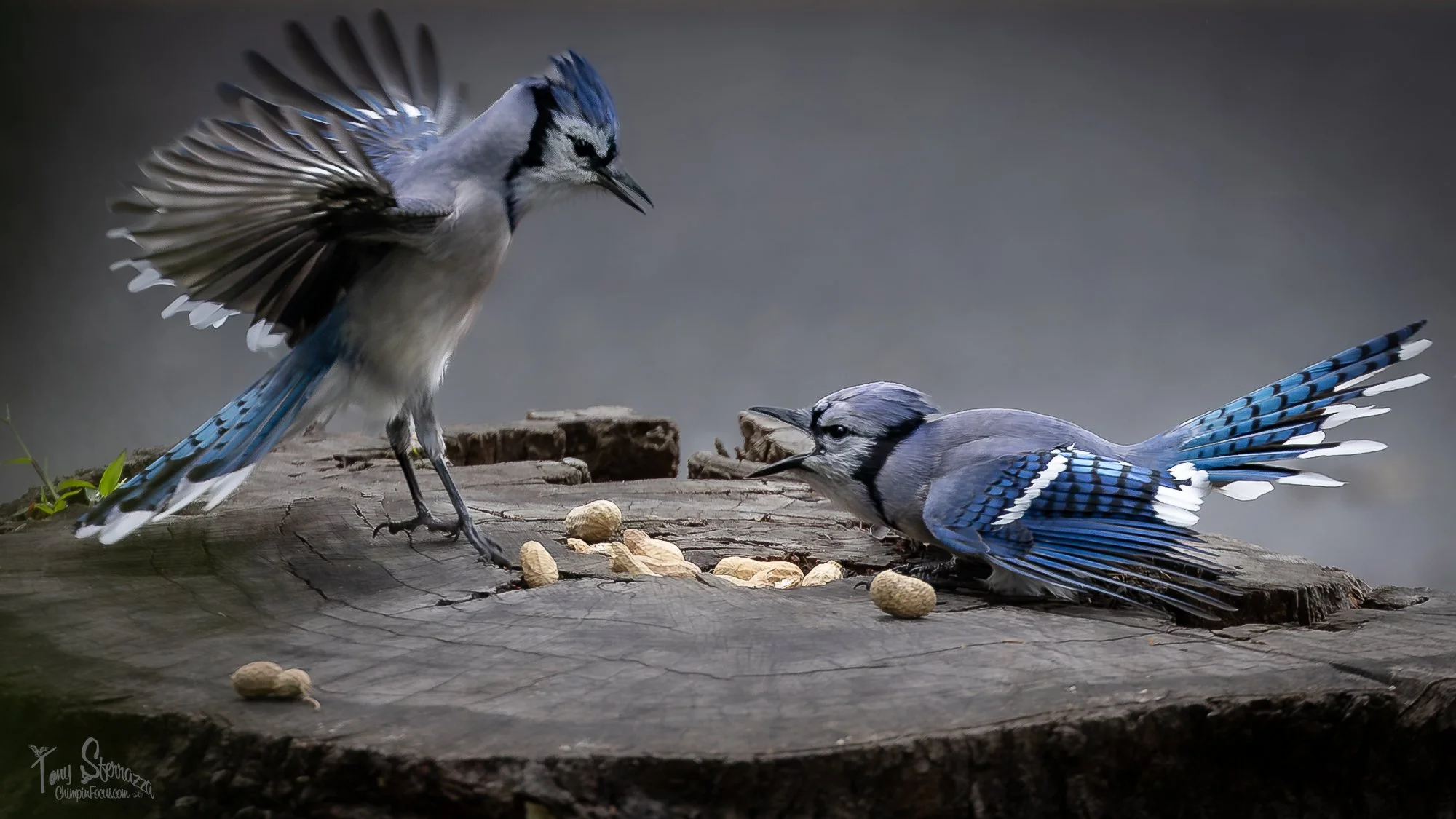
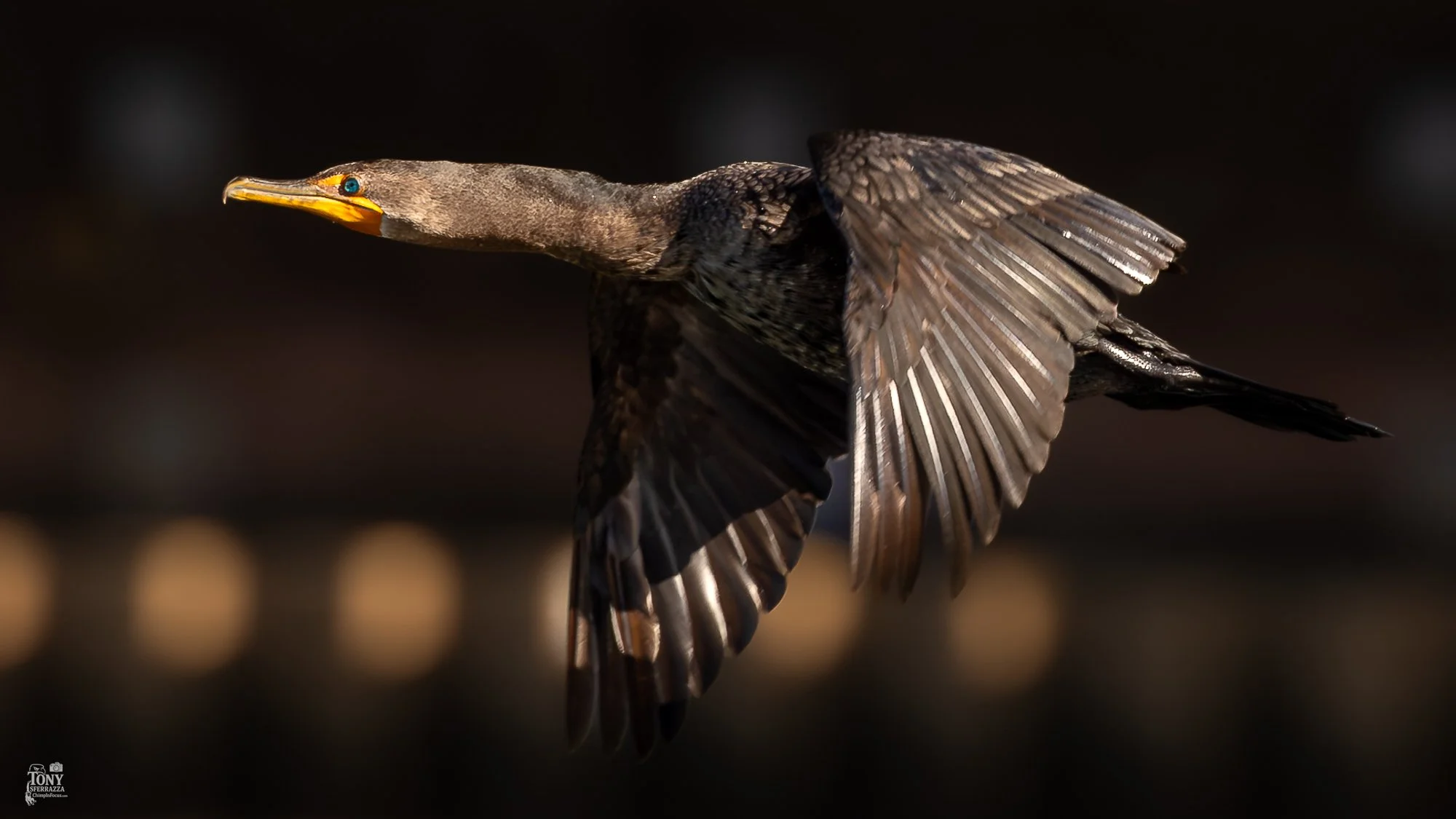
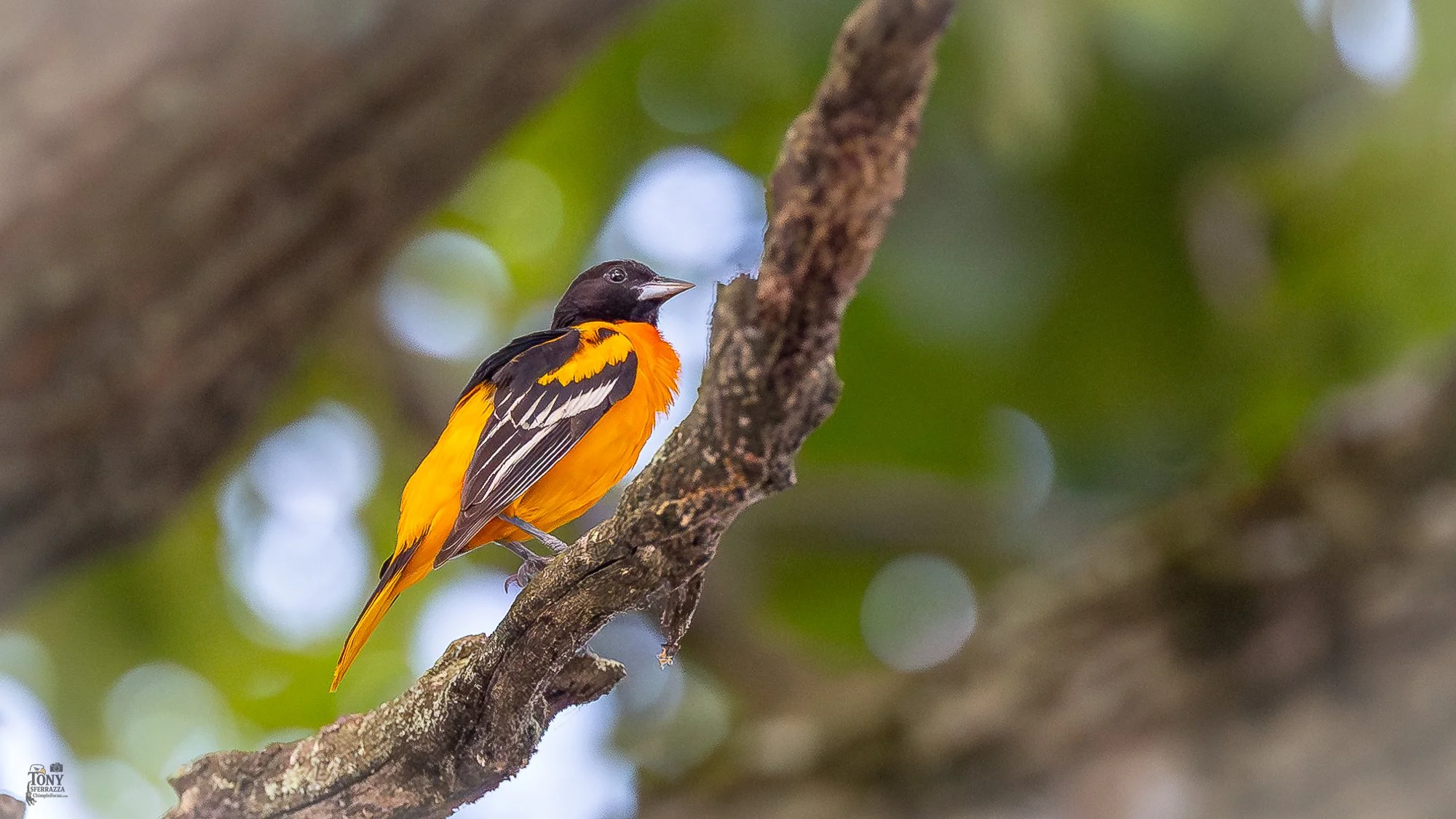
A new mount does not mean every familiar lens has to stay at home. This installment of Gear in Focus will look at two Canon EF supertelephotos on EOS R bodies: the EF 400mm f/4 DO IS II USM and EF 500mm f/4L IS II USM.
This is a work in progress. We are selecting photographs from our archive and checking the recorded camera and lens information before adding the field examples. The finished post will describe what we actually experienced, rather than treating compatibility as a performance test.
Two lenses, two field roles
The 400mm f/4 DO II brings Canon’s diffractive-optics design into the discussion. We will use it to explore a wildlife kit where carrying and handling matter alongside detail in the photograph. The 500mm f/4L IS II gives us a longer focal-length example for subjects that need more reach. These are different tools; this article will not present photographs made in different conditions as a controlled head-to-head comparison.
Making the connection
Canon’s Mount Adapter EF-EOS R allows EF lenses to be used on EOS R cameras. For our examples, we will record the exact body, adapter, lens, and any extender. Compatibility alone does not establish how a particular combination acquires a bird, follows it through branches, or feels after a long session.
What we will show
For each lens, the aim is a small selection of meaningful photographs: a detailed perched subject, a bird in flight where available, and a scene that says something about background separation or light. We will pair a full composition with a clearly labeled detail crop when that helps explain what the file contains.
Captions will identify the subject, camera body, full lens model, focal length, aperture, shutter speed, ISO, and any extender when that information is present. We will also note substantial cropping or processing. Adapter model and support will be confirmed separately when they are not recorded in the file.
What matters in the field
Our notes will address finding and reacquiring the subject, tracking against clean and cluttered backgrounds, handling and balance, working distance, and whether support changes the experience. We will describe the conditions and settings behind any observation. Burst-rate limits, stabilization behavior, and extender compatibility will be checked for the exact combination rather than generalized across all RF bodies.
The photographs come first
The question is practical: can familiar EF glass help us make photographs we want to keep on a modern Canon body? Our archive examples will be the starting point, with honest notes about where each setup helped and where it asked more of us.
Companion article: Nikon F Glass on Z Bodies, covering the 300mm f/2.8 VR II, 500mm f/4 VR, 300mm f/4 PF, and 500mm f/5.6 PF.
Reference: Canon Mount Adapter EF-EOS R — https://www.usa.canon.com/shop/p/mount-adapter-ef-eos-r
Thanks for swinging by.
Around 600mm: Our Real-World Wildlife Testing Plan /
There’s another long lens in the Chimp in Focus lineup, and a new round of field testing is underway. Our Sony FE 600mm f/6.3 GM OSS arrived on October 15, 2026. We’ve started making photographs, but it’s too early for results or conclusions. Here’s what we plan to explore.
The combinations
Our first outings have included the Sony a7R VI with the 600mm f/6.3 GM and the Sony a1 with the FE 300mm f/2.8 GM, both on its own and with the Sony 2× teleconverter. The converter takes the 300mm to 600mm f/5.6; the native 300mm gives us a useful reference for handling, autofocus, and image quality before adding it.
As opportunities allow, we’ll bring in the Sony a1 II with the 600mm f/4 GM and the Nikon Z9 with the 600mm f/6.3 PF as additional benchmarks. These are comparisons of complete camera-and-lens combinations. Differences in bodies, settings, and conditions will matter when we interpret what we see.
What we’ll be watching
Getting the bird in focus comes first. We’ll look at initial autofocus acquisition, tracking birds in flight, and reacquiring a subject after losing it against a busy background. Perched birds will give us opportunities to examine sharpness, fine feather detail, and contrast.
We’ll also look at higher-ISO files as the light drops and at how much cropping each combination can tolerate for a useful finished photograph. With the 300mm and 2× converter, we’ll pay particular attention to changes in autofocus behavior, detail, and contrast, alongside the flexibility of removing the converter when a bird comes closer.
Then there’s the part a specification sheet can’t settle: carrying the gear, getting it ready, following a moving bird, and staying comfortable through an outing. Portability and support requirements are part of the evaluation.
Out in the field
We’ll test across a range of wildlife locations and conditions, including parks, shorelines, wetlands, and wherever the subjects take us. Centerport’s park, bridge, and pump station will be part of that mix. We want to learn which setup suits each situation, how readily we can carry and deploy it, and how quickly we can respond when the action changes. Different backgrounds, working distances, and light will help us assess each combination in everyday field use.
Where possible, we’ll compare similar subjects, distances, light, and shutter speeds, and review files at comparable output sizes. We’ll note settings, support, cropping, and processing so the photographs have useful context. Field encounters won’t always line up neatly, so we’ll distinguish repeatable comparisons from observations made on different outings.
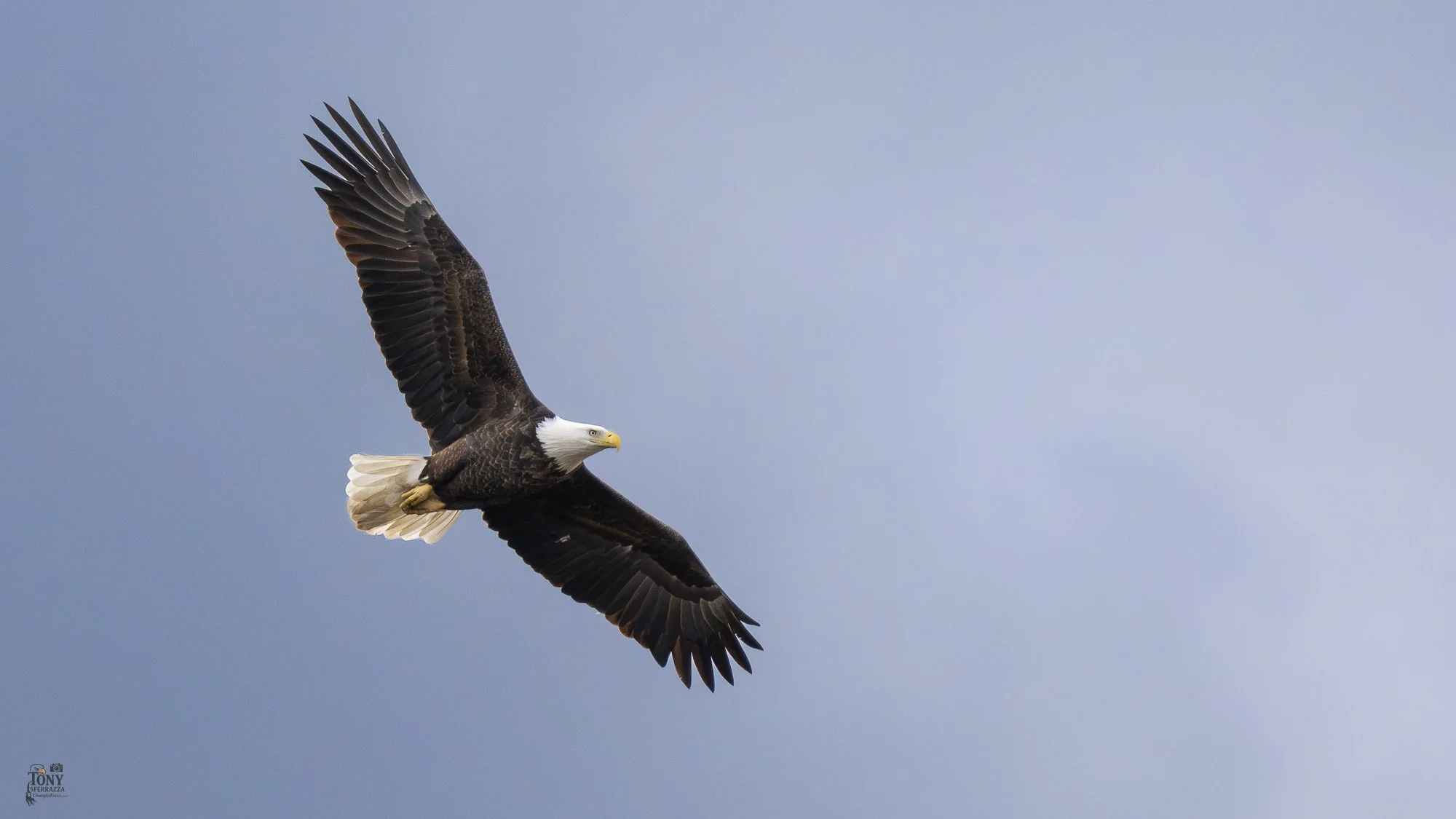
November 9 field update — A Turn Through Open Sky
View A Turn Through Open Sky →
An adult Bald eagle banks through open sky, one wing raised and its white tail fanned beneath the dark body. Sony α7R VI, Sony FE 600mm F6.3 GM OSS at 600mm, 1/2000 sec, f/6.3, ISO 800.
Made during our November 9 Centerport outing and added to Web Published 2026 on November 11. This finished photograph is an example from the ongoing fieldwork, rather than a controlled comparison or a final verdict on the lens.
What “Eye” Saw at 600mm — November 14, 2026
Centerport: Finding the Bird Against a Busy Background
Our overcast Centerport outing added more fieldwork with the Nikon Z9 and NIKKOR Z 600mm f/6.3 VR S, alongside the Sony a7R VI and FE 600mm f/6.3 GM OSS. We also photographed with the Sony a1 and 300mm f/2.8 GM; those wider views belong to the day’s record, rather than a matched 600mm comparison.
Tony’s field impressions: An approaching cormorant against a difficult background proved hard to acquire with the Nikon combination. The tracking control he was using seemed reluctant to engage the bird, and an attempt with a full-area option did not appear to resolve that encounter. A closer gull flying lower over the water seemed easier to acquire. Dark plumage and limited separation from the background were possible contributing factors Tony wanted to investigate—not confirmed causes.
A small propeller aircraft prompted another observation: the tracking control did not initially acquire it, while the full-area option appeared to do so. Tony suggested checking whether full-area acquisition should be assigned to the back button, with tracking available through a front function button. The exact AF-area modes and button assignments remain unverified, and no change has been confirmed or made.
Settings still to confirm: The dictated shutter speed and exposure-compensation value were unclear. We are leaving them unconfirmed rather than assigning settings from nearby files to an encounter that has not been matched to a specific sequence.
These are firsthand field impressions, not a frame-by-frame autofocus assessment. The imported photographs offer material for reviewing subject visibility against sky, foliage, shoreline vegetation, and intervening branches. Different subjects, distances, backgrounds, and shooting times prevent a controlled camera comparison. We have not established acquisition or recovery times, keeper rates, or a cause for the reported difficulty.
Read the November 14 Chronicle entry — subjects, photo counts, and field kit →
More to come
For now, this is the testing plan. We haven’t reached a verdict on any combination. We’ll share photographs and observations as the fieldwork continues, then draw conclusions when we have enough evidence to support them. There’s more monkeying around with the cameras ahead.
YouPic Award /
Thanks for the kind words and likes of the photo.
Read MoreNY Airshow /
I was fortunate enough to attend to the 2018 New York Airshow at Stewart International Airport over the past weekend and I will be adding some photos that I was able to capture at that event. It’s a great show - this year the USAF Thunderbirds headlined, along with a lot of vintage aircraft. It’s great day and weekend that everyone should try to attend if they get the opportunity.
For those interested in attending, the 2019 NY Airshow will be held the weekend of August 24th & 25th.


What people are saying... /
While out searching for content I am often approached by curious passer-bys...
Generally, they ask some basic questions...Are you a professional? I say, "No, it's a hobby or addiction that I truly enjoy!" Usually, they're interested in equipment or what I am finding to be interesting about the location or subject matter. I respond, with the intention of being insightful and helpful, but point out that anyone can and usually does take pictures. As it relates to equipment, I add that almost everyone has the ability to chronical and many do so with the smartphones. If they're interested, but be careful...as with any photography nut, I can drone on and on about photographic equipment, likes-and-dislikes, etc. So be forwarned, before you delve into that abyss. Subject matter and composition are personal preferences in my opinion. Nonetheless, I usually encourage them to share their images, as the enjoyment of others is truly inspirational. I compare photography to cooking, but I'm fairly certain it parallels all creativity...the enjoyment of others makes all of the effort worthwhile. It's great to prepare a meal that you enjoy, but it is far more rewarding to prepare a meal for others that they enjoy.
So if you see me Chimping, please feel free to say hello!!

Welcome to all... /
Please join our journey! The site is a work in progress...
We welcome all suggestions, thoughts, and comments!
