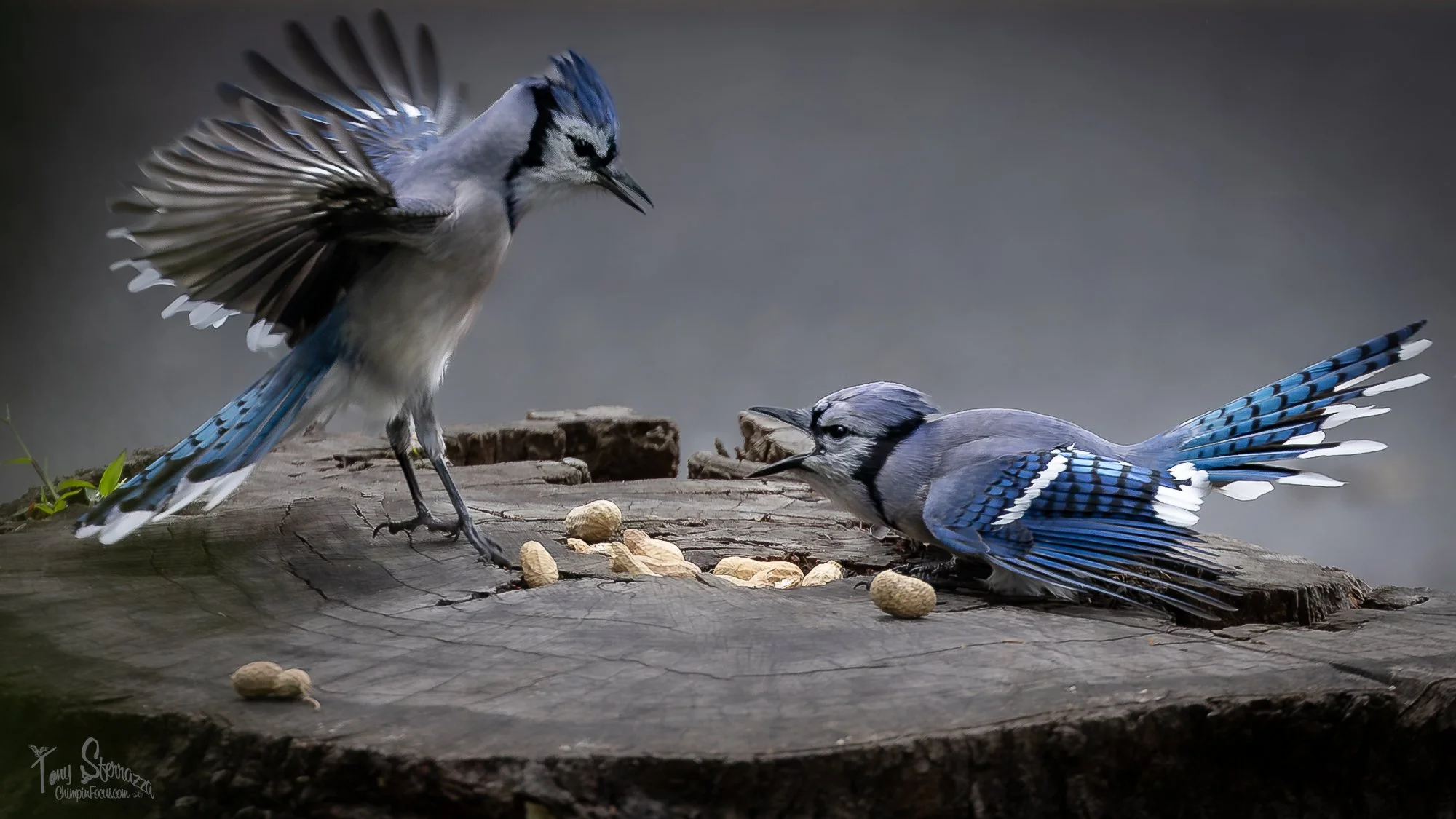
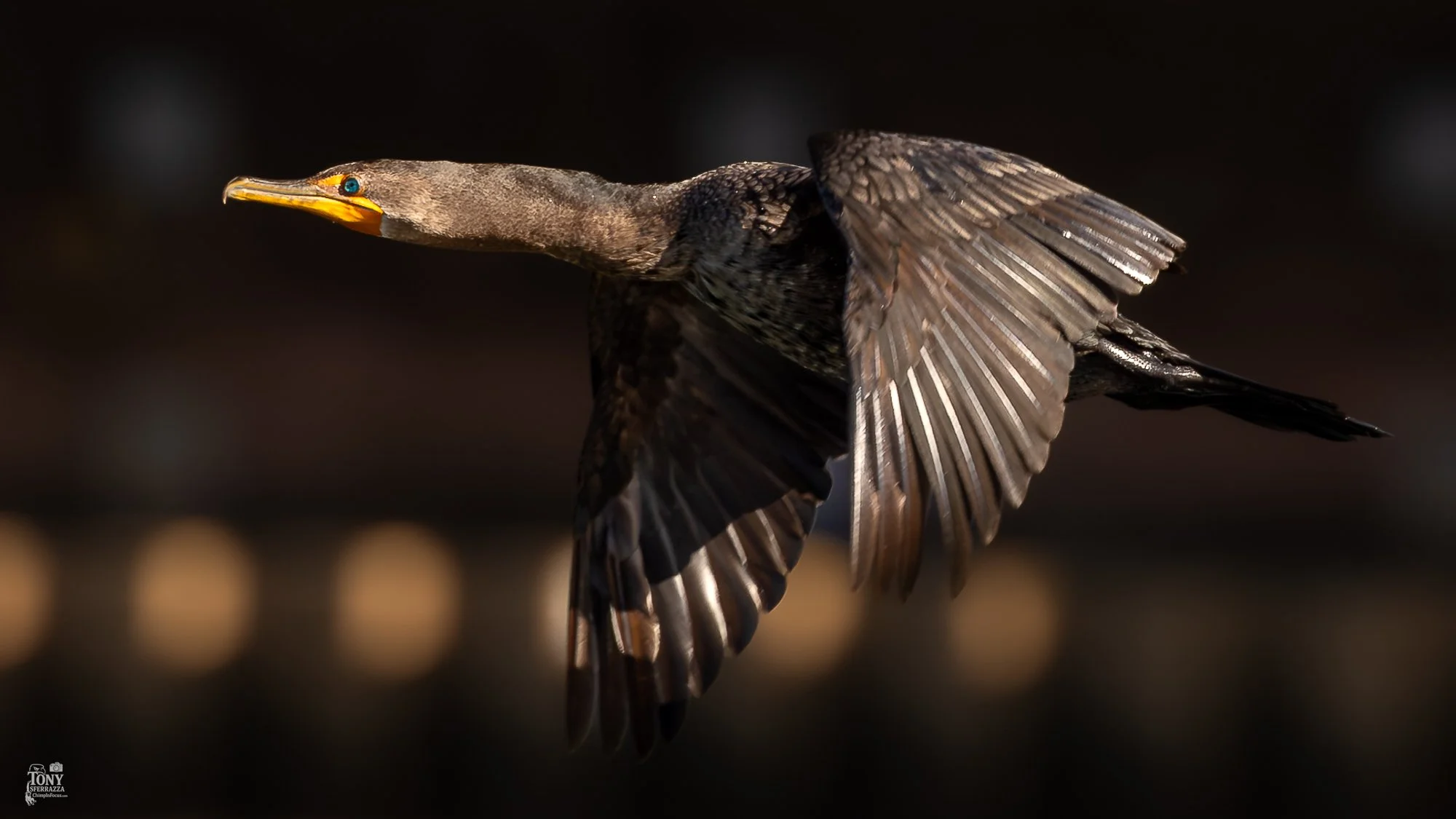
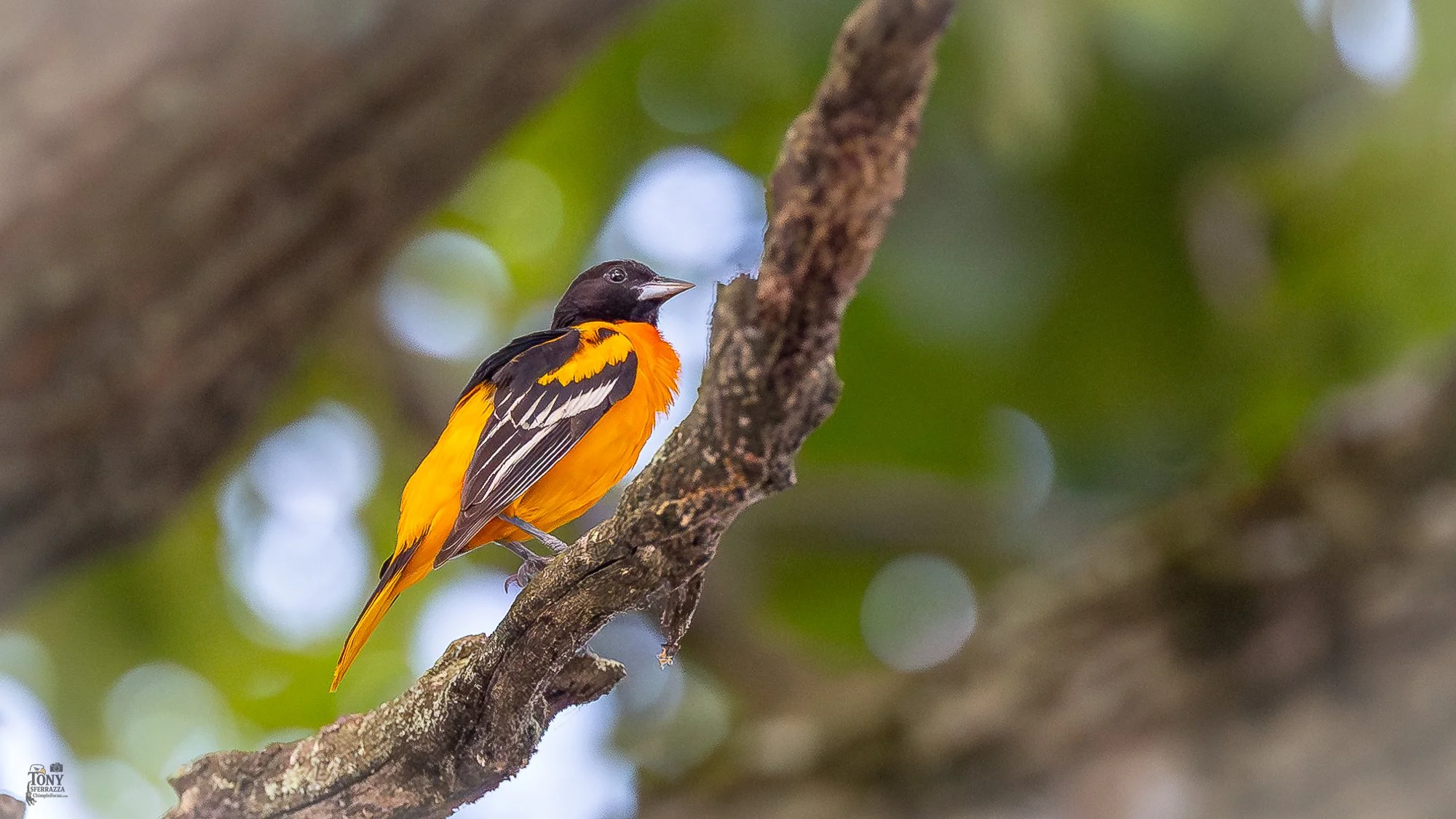
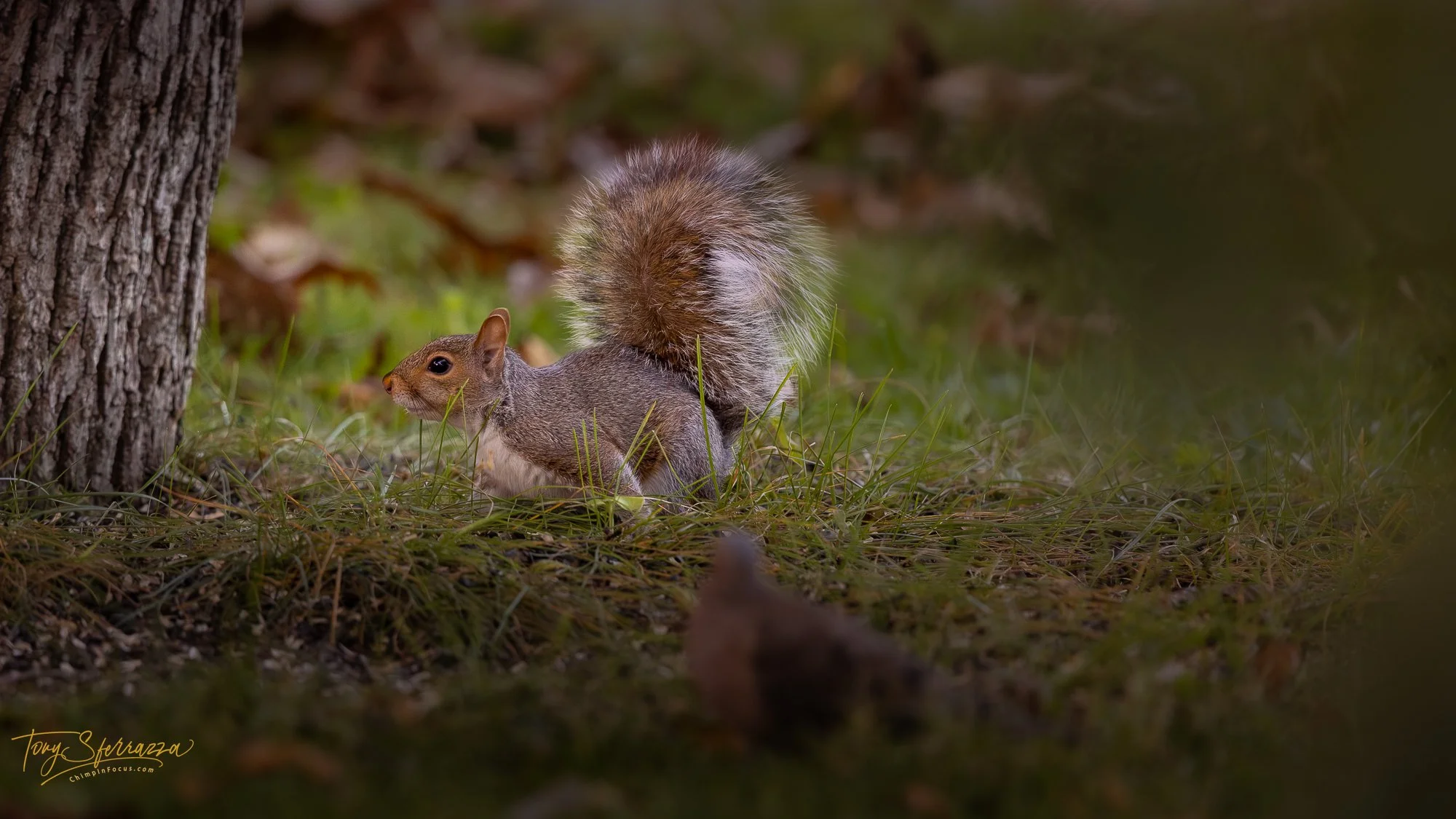
A new mount does not mean every familiar lens has to stay at home. This installment of Gear in Focus will look at two Canon EF supertelephotos on EOS R bodies: the EF 400mm f/4 DO IS II USM and EF 500mm f/4L IS II USM.
This is a work in progress. We are selecting photographs from our archive and checking the recorded camera and lens information before adding the field examples. The finished post will describe what we actually experienced, rather than treating compatibility as a performance test.
Two lenses, two field roles
The 400mm f/4 DO II brings Canon’s diffractive-optics design into the discussion. We will use it to explore a wildlife kit where carrying and handling matter alongside detail in the photograph. The 500mm f/4L IS II gives us a longer focal-length example for subjects that need more reach. These are different tools; this article will not present photographs made in different conditions as a controlled head-to-head comparison.
Making the connection
Canon’s Mount Adapter EF-EOS R allows EF lenses to be used on EOS R cameras. For our examples, we will record the exact body, adapter, lens, and any extender. Compatibility alone does not establish how a particular combination acquires a bird, follows it through branches, or feels after a long session.
What we will show
For each lens, the aim is a small selection of meaningful photographs: a detailed perched subject, a bird in flight where available, and a scene that says something about background separation or light. We will pair a full composition with a clearly labeled detail crop when that helps explain what the file contains.
Captions will identify the subject, camera body, full lens model, focal length, aperture, shutter speed, ISO, and any extender when that information is present. We will also note substantial cropping or processing. Adapter model and support will be confirmed separately when they are not recorded in the file.
What matters in the field
Our notes will address finding and reacquiring the subject, tracking against clean and cluttered backgrounds, handling and balance, working distance, and whether support changes the experience. We will describe the conditions and settings behind any observation. Burst-rate limits, stabilization behavior, and extender compatibility will be checked for the exact combination rather than generalized across all RF bodies.
The photographs come first
The question is practical: can familiar EF glass help us make photographs we want to keep on a modern Canon body? Our archive examples will be the starting point, with honest notes about where each setup helped and where it asked more of us.
Companion article: Nikon F Glass on Z Bodies, covering the 300mm f/2.8 VR II, 500mm f/4 VR, 300mm f/4 PF, and 500mm f/5.6 PF.
Reference: Canon Mount Adapter EF-EOS R — https://www.usa.canon.com/shop/p/mount-adapter-ef-eos-r
Thanks for swinging by.